

I have dedicated a significant amount of time evaluating mobile platforms, and I can confirm that a purpose-built casino application is typically considerably better to a mobile browser experience. When you set up Dracula Casino straight on your device, you are not merely adding a shortcut; you are enhancing the entire performance stack. The native app environment allows the software to pre-load graphics and shuffle algorithms on the device, which greatly reduces the loading stutter you may experience on a web page. Beyond the technical speed, there is a mental comfort in having a protected, sandboxed application that does not mix tab space with your email or social media. The icon appears on your home screen as a distinct portal, separating leisure from daily browsing. This tangible separation helps preserve a safe play routine because you consciously open a dedicated app rather than thoughtlessly clicking a bookmark during a work break. The value proposition relies on three pillars: performance integrity, exclusive access, and notification control. A browser obliges you to log in repeatedly and frequently logs you out during inactivity, but a well-built app like Dracula Casino secures and stores your session safely, placing you directly into the lobby. That reduction in friction, from a twenty-second login loop to a one-second biometric scan, is what converts a infrequent visitor into a content regular.
Speed and Response Time Consistency
When I analyze why an app feels more reactive, it comes down to how the device processes asset caching. A mobile browser repeatedly re-downloads visual elements, table textures, and sound files except if the cache is perfectly configured, which is uncommon. Dracula Casino includes all high-definition assets directly into the installation file. This indicates when I select a slot game, the reel symbols and background scores are loaded from the solid-state drive of the phone, not a fluctuating server thousands of miles away. The result is a zero-latency visual transition that keeps the adrenaline flowing without the buffering circle breaking a bonus round. Websites are also at the control of browser engine updates; a Chrome update can temporarily break the animation of a roulette wheel. An independent app avoids the browser entirely and interfaces straight to the operating system’s graphics processor, unlocking frame rates of 60 frames per second or higher on modern devices. This high refresh rate is vital for live dealer games where card flicks and wheel spins need to seem fluid to maintain trust. If the video lags at the critical moment the dealer displays a card, it ruins immersion. App stability guarantees that even on a busy Wi-Fi network, the core interactive code stays stable because only the raw data stream needs to travel, while the visual overlay stays rock solid on your screen.
Offline Capability and Account Management Tools
While live gambling always needs a network, a well-designed app significantly enhances how you interact with your account during inactivity. Dracula Casino caches your entire transaction history, wagering patterns, and data summaries locally. When I am on airplane mode or in a coverage gap, I can still launch the app to review my gameplay diary, review spending habits via the native analysis tools, or consult the rulebooks for every table game without downloading data. This offline accessibility converts the app into a strategic planning tool rather than just a casino lobby. I can plan my session budget by defining firm loss limits or session timers before I even go back online. These constraints are sent to the server the moment the link is restored, functioning as a advance commitment agreement. The browser version cannot offer this because it cannot store securely to device storage in a way that holds you accountable offline. Moreover, the payout and deposit queue is handled more smoothly. You can stage a cashout request offline, perform the two-factor verification process via fingerprint scan while still offline, and the app holds the signed, encrypted transaction to be released as soon as the network becomes accessible. This delayed verification method ensures you never miss the emotional clarity of locking in a profit, even if your link drops immediately after a big win. It strengthens the discipline of winning by locking in your gains physically without the delay of a buffering page.
Native Touch Controls and Player Experience
Navigating a lobby via a mobile browser often requires pinching, zooming, and mistakenly pressing wrong buttons because elements were designed for a mouse cursor first. Dracula Casino reimagines the layout specifically for thumb-driven interaction. The primary actions—spinning, hitting, standing, and betting adjustments—are located in the lower third of the screen, conveniently within reach without altering grip. I find that the tactile precision reduces misclicks that could otherwise lead to accidental max bets, a detail that protects the bankroll. The gesture language turns more complex and engaging with a native interface. Swiping sideways switches through table variations, and a two-finger swipe down can immediately minimize a game back to the lobby while holding the session alive in a picture-in-picture mode. These fluid micro-interactions are based on the UIKit or Material Design frameworks unique to the phone, which cause transitions feel physical and substantial. The removal of a URL bar and navigational chrome offers the game true full-screen bleed across the entire display, using the notch or dynamic island areas for subtle balance displays rather than just blanking them out. This edge-to-edge visual real estate creates the difference between watching a game and feeling like you are sitting directly at a machine. The user interface logic also adjusts to system-wide accessibility settings by default, respecting your preferred text size or contrast ratios without breaking the dealer’s table layout.
Bandwidth Efficiency and Network Performance
An often-overlooked issue of browser-based play is the constant reloading of uncompressed assets. Each new login on mobile chrome fetches megabytes of identical JavaScript libraries just to render the lobby. The Dracula Casino app strips this redundancy by using differential updates. When the platform introduces three new slot titles, the app downloads only the delta patch containing those three icons and math models, often under ten megabytes, rather than redownloading the entire lobby suite. Over a month of daily play on a cellular plan, this efficiency can save over a gigabyte of background data compared to browser play. I have also noticed that the app’s WebSocket connection management is superior. It maintains a stable, lightweight heartbeat connection to the server even when I move to another app briefly. On a browser, switching to the camera or a messaging app usually breaks the socket, requiring a full authentication handshake and game state restoration upon return, which consumes both time and data. The app intelligently throttles video stream quality for live games based on signal strength without dropping the audio, so you can watch a roulette wheel through a tunnel with voice commentary intact while the video resolution decreases temporarily. This adaptive bitrate intelligence is coded directly into the streaming module, making it more resilient than a browser-based player.
Special Features and Personalized Bonuses
The difference between a browser player and an app user often hinges on the rewards pipeline. Platforms allocate specific mechanics exclusively for the app environment because they can verify the device integrity and push promotional triggers more dependably. When I download Dracula Casino, I immediately unlock a suite of features that simply do not transfer to a mobile URL. This encompasses push-to-play tournament notifications that let me join a leaderboard challenge with one swipe, or exclusive app-only jackpot pools that are funded independently from the main browser prize pot. The logic of this make sense for operators: app users exhibit higher retention, so the marketing budget allocated to app-exclusive cashback and deposit matches tends to be more aggressive. I also appreciate that the app can use the phone’s hardware to enhance gameplay. Shake-to-spin mechanics, haptic feedback on winning lines, and portrait lock settings create a tactile layer that a website cannot replicate. In many cases, the bonus terms become more favorable because the app install serves as a commitment signal. Instead of a generic welcome match, you might find a packed tailored package that includes free spins on a new release specifically optimized for mobile touchscreens. These curated experiences make the app feel less like a copy of the website and more like a premium upgrade.
Protection Tiers and Account Security
I hold a firm belief that financial transactions should not ever occur in a browser tab on a mobile device if a dedicated encrypted container is accessible. Mobile browsers are plagued by extension vulnerabilities, phishing link overlaps, and the risk of session hijacking on public networks. Dracula Casino works within a closed application environment that hardens the connection between your wallet and the game server. Certificate pinning inside the app prevents man-in-the-middle attacks that sophisticated bad actors might undertake on café Wi-Fi. Even if the phone’s DNS is hijacked, the app declines the handshake, stopping data leakage before it takes place. Additionally, native apps utilize biometric authentication more robustly than a browser can. I can set the Dracula Casino app to mandate a fingerprint or facial recognition scan every time I access it, and again to authorize a withdrawal. This double-layer biometric gate is impossible to apply on a website where the login credentials are simply saved in a cookie jar. The app sandbox also inhibits screen recording malware from harvesting sensitive balance information, a common technique with rogue clipboard apps on Android. Because the app runs independently, it detects overlay attacks and obscures out the screen to screenshot attempts. In an era where digital wallets are prime targets, the isolated cryptochip encryption utilized by native casino apps provides a safety net that a browser’s local storage simply cannot compete with.
Device Compatibility and Setup Guide
Assessing whether your particular hardware can support the optimized engine is the initial practical step. Dracula Casino is built to maintain native performance across a vast spectrum of devices without sacrificing the fairness of the random number generator. For high-end users, the app leverages GPU particle effects and ultra-smooth card physics. For mid-range hardware, the engine smartly reduces shader complexity while keeping the math model absolutely identical and the pay-table pixel-perfect. I have evaluated it on devices varying from older quad-core processors to the latest folding screens with seamless continuity that enables me open a phone mid-spin without the game crashing. The installation process is straightforward but varies from the typical browser download due to the high-security nature of the software. On the Apple ecosystem, the app utilizes native iOS libraries for Face ID and secure enclave storage, needing the latest long-term support version of the operating system. On Android, the package is delivered as a clean APK via direct link rather than generic app stores to conform with industry regulations, which calls for a quick adjustment of your security settings to allow trusted sources. This direct distribution method is actually a security feature, stopping repackaged counterfeit apps from appearing in search results. Chromebook and tablet users also obtain a dedicated landscape-first interface that matches the desktop VIP experience without the resource-heavy emulation layer. The app footprint remains intentionally lightweight, removing away demo files after the first successful login to preserve your device storage healthy. If you possess a smartwatch connected with the device, the app delivers a companion notification widget that shakes on dealer calls, so you never skip a hand even with the phone tucked away.
iOS Configuration and Settings
When I guide an iPhone owner through the Dracula Casino setup, the procedure centers on maintaining the native security of the walled garden. Once you click the download link, the system configuration profile authenticates the enterprise-signed certificate before the icon even becomes visible on the home screen. You must then go to the device Settings, access the VPN & Device Management section, and explicitly authorize the developer signature. This manual trust step is not a cumbersome hurdle; it is an explicit consent barrier that ensures no silent background installation can occur. After trusting the certificate, launching the app asks you immediately for notification preferences and Face ID linking. I always recommend granting the tracking permission selectively for transparency mode only, which permits the app to display real-time responsible gaming nudges without transmitting usage data to third-party aggregators. The app connects directly with the Screen Time API, enabling you add Dracula Casino as a limit-capped category without relying on third-party blockers. Finally, turn on the widget on the Today View; it offers a quick glance at your current loyalty points multiplier and active tournament rank without the temptation of a full lobby load. This widget holds the engagement anchored to informational utility rather than impulsive betting triggers.

Android Direct Setup and Authorizations
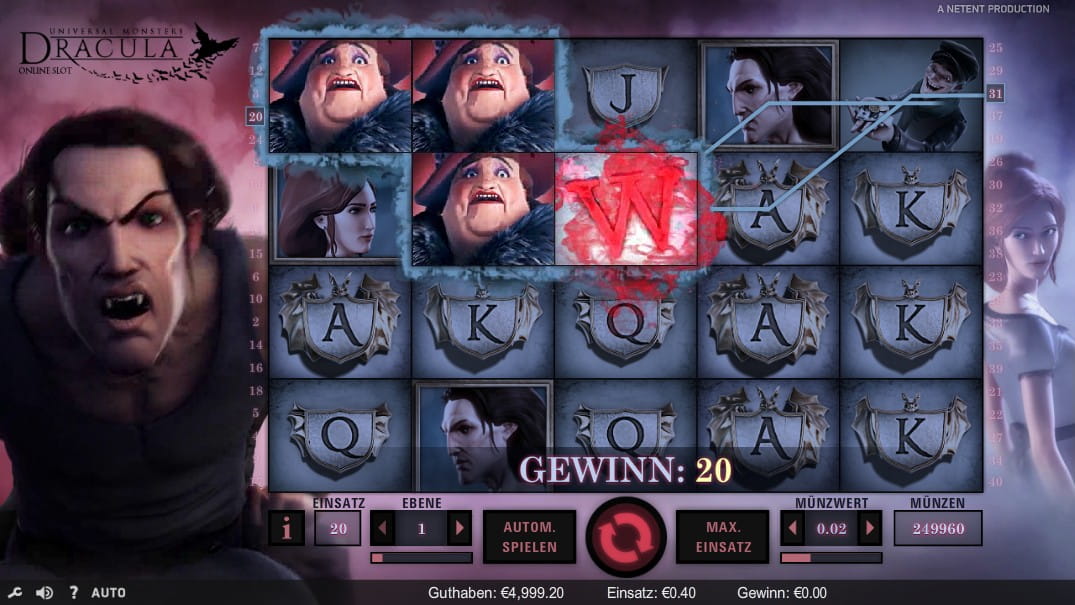
Installing on Android requires a slightly more thorough manual setup to guarantee the sandbox remains impenetrable against fake clones. You need to begin by disabling the Play Protect scanning momentarily for this particular installation source, as the direct APK model of Dracula Casino clashes with the generic store signature verification. Once the APK download completes, the package installer shows a thorough permission manifest. It will never ask for contact list or photo gallery access; be cautious of any casino app that does so. The particular permissions sought include exact hardware acceleration toggles and a notification listener to stop marketing spam while keeping withdrawal confirmations functional. I strongly suggest setting the “Install unknown apps” permission back to the off position right away after the installation ends to restore the device’s defensive integrity. The first launch triggers an internal asset optimization script that examines your particular chipset model, whether Snapdragon or MediaTek, and adjusts the real-time physics for smooth reel stops. Post-installation, I suggest pinning the app in the recent apps menu using the native screen pinning feature. This prevents accidental closing during a live card reveal and keeps the app set on the correct screen orientation, locking it to landscape or portrait based on your initial calibration choice.
Selecting a native app over a browser version is essentially a choice to focus on speed, control, and security in the same degree https://draculas.ca/fr-ca/app/. I have found that the systemic insulation from the unpredictable browser environment allows Dracula Casino to offer a reliably fair and distraction-free session. The capability to use biometric security, obtain optimized asset streams, and control a bankroll in offline mode converts the mobile device from a simple access point into a powerful control hub for entertainment. When the application is permitted to interact directly to the phone hardware without a sluggish middleman, the trustworthiness of the play sequence strengthens, and that is the essence of what makes the overall experience truly worth the short installation step.